-

From Business Strategy to Real-World Value
Imagine you’re the mastermind behind a trendy new apartment complex, where every detail matters. You’re juggling cool design elements like rooftop gardens, sleek modern kitchens, and high-tech security systems. Now, […]
-

Why Platform Engineering is Crucial for Modern Businesses and IT Leaders
In an era where digital transformation dictates market leadership, Platform Engineering emerges as a pivotal philosophy and set of capabilities that business and IT leaders cannot afford to overlook. This […]
-
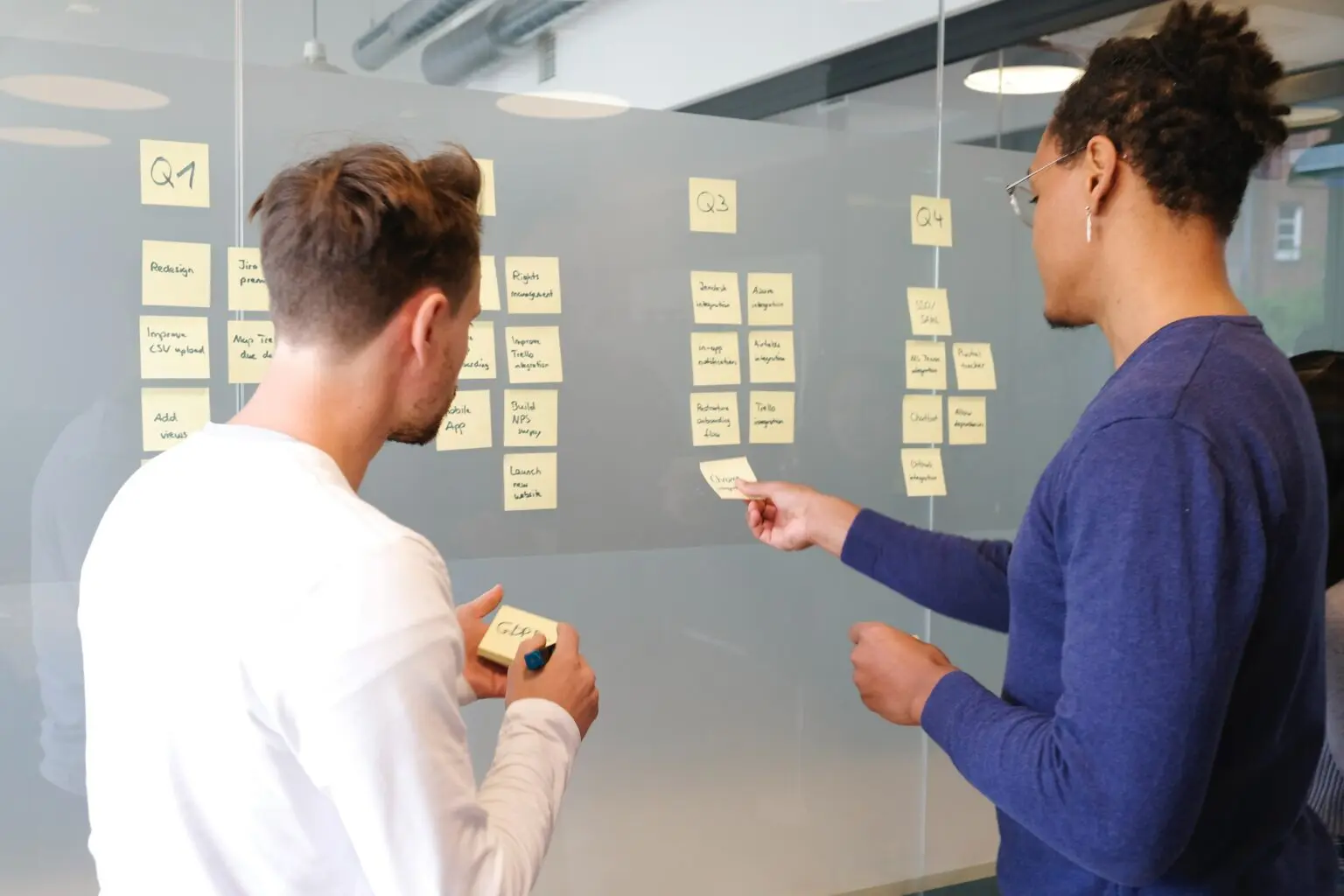
Effective DevOps Team Building: Strategies for Collaboration and Cooperation
DevOps isn’t just a methodology, a trend, or a set of integrated technologies. DevOps is a movement about the culture that emphasizes both collaboration and cooperation, primarily of both software […]
-

DevOps with a Side of Compliance: How to Integrate Security and Compliance in your Transformation
Organizations are facing an increasing number of threats and regulatory requirements. Compliance and security are critical components of any organization’s digital transformation, and in a DevOps environment, it is essential […]
-

Leveraging DevOps and Cloud to Implement a Technology Strategy for Enterprises-Key Takeaways
The rapid pace of digital transformation has made it imperative for organizations to prioritize technology excellence to stay competitive. The implementation of a DevOps Cloud Strategy can help organizations achieve […]
-

Leading Change in the DevOps Era: An 8-Step Framework for Success
Organizational leaders are often aware of the benefits of implementing DevOps practices and tools, including increased agility, faster time-to-market, and improved customer satisfaction. However, implementing these changes can be challenging. […]
-

Tools & Technology: Why Should These Follow Your Processes?
Experience – Automate Everything You Can When You Are Ready I couldn’t be more excited to have joined a rapidly growing start-up in the innovative world of robotic process automation […]
-

People: If You Do Not Listen, Guide, and Train, People Create Their Own Strategy
Experience with T-Shape and Second Pillar Approach I started my first professional role in IT support in a global corporation. I learned firsthand the importance of listening to, guiding, and […]
-

7 Most Underachieved Business Benefits of DevOps
We live in a world of innovations, one where startups and new companies can completely displace or destabilize entire industries. Today, to remain in business, organizations are more focused on […]
-

Value Streams Definition and Guide
The definition of the value stream easiest to relate to is the manufacturing value stream. The value stream represents the set of activities to be performed to deliver an item […]